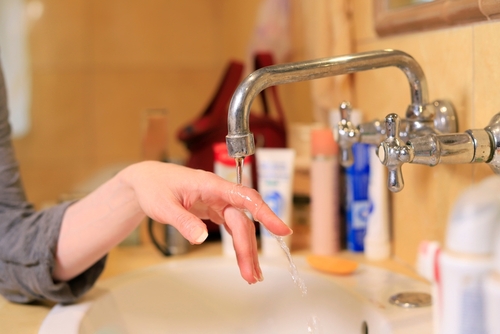




A faucet that drips is easy to ignore until the sound is constant, the handle sticks, or the cabinet under the sink starts to smell damp. At that point the question changes from how to stop the noise to whether the fixture should be repaired or replaced. The answer usually depends on where the water is coming from and what condition the rest of the faucet is in.
Most drips come from one of a few parts
Inside a faucet there are a few wear parts: a washer or cartridge, O-rings, a valve seat, and the packing around the stem. A drip from the spout usually points to the cartridge or washer that controls the flow. A drip around the base or the handle usually points to an O-ring, a packing nut, or a seal. The location of the drip narrows the repair before anything is taken apart.
The age and type of faucet matter. A cartridge faucet with a worn cartridge is often a straightforward repair. A very old faucet with a corroded valve seat, a damaged finish, or parts that are no longer made can turn a simple repair into a hunt for a replacement.
When a repair is the sensible call
Repair is worth pricing when the faucet body and finish are in good condition, the drip is recent, and the parts are available. A single worn cartridge, a hardened washer, or a loose packing nut is a repair that restores the fixture. The same faucet keeps its handle, spout, and fit with the counter, so there is no change to the sink area.
The useful question is what the repair will fix and how long it should hold. If the water is coming from one wear part and everything else is sound, a repair is the smaller project. If the leak is inside the wall or under the counter rather than at the fixture, that is a different repair and worth knowing before the faucet is blamed.
When replacement is the better choice
Replacement moves ahead when the repair is no longer simple. A cracked body, deep corrosion or pitting, a stripped handle, a faucet that has already had two or three repairs, or a model whose parts are discontinued all point toward a new fixture. An older two-handle faucet that cannot be matched with parts is also a replacement candidate.
A change in the room can decide it as well. If the sink or counter is being updated, replacing the faucet at the same time avoids paying for the same access twice. If the current faucet is the wrong height or reach for the sink, a repair keeps a fit that already does not work.
What a repair visit involves
The water is shut off at the supply stops under the sink first. The handle, cartridge, or valve is taken out, the wear parts are replaced, and the fixture is reassembled and tested. The technician should check both the spout and the base after the repair, because a drip that moves is a sign that another seal is failing. This is the work a faucet and fixture repair visit covers.
Before the work starts, confirm that the supply stops under the sink actually close. A stiff or seized stop valve has to be handled before the faucet is opened, or the water has to be shut off at the main. That is worth asking about on the phone, because it changes how the visit is planned.
What a replacement involves
A replacement takes the old fixture out, cleans the mounting surface, and fits the new faucet with new supply lines where they are needed. The drain and the stops are checked while the area is open. The new fixture is tested for leaks at the base, the spout, and the connections before the job is called done.
Replacing a faucet is a good moment to correct a supply line that is kinked, brittle, or the wrong length. Ask whether the quote includes new supply lines and a new drain assembly, or whether those are extra. The small parts are where a low quote and a complete quote tend to differ. The same visit can cover the wider residential plumbing checks around the sink if something else looks wrong.
Where the water goes while you wait
A drip that lands in the sink is mostly noise and wasted water. A drip that tracks down the spout or the base can run under the counter, stain the cabinet floor, swell the wood, and feed mould in a closed space. Put a towel or a small bowl under the leak and check the cabinet floor for soft spots or a musty smell.
Do not tighten the packing nut hard to stop a leak unless you know the faucet type. Overtightening can crack a plastic cartridge or distort a seal and turn a small repair into a fixture replacement. If the handle will not move freely after a light adjustment, stop and have it looked at.
What to do before the plumber arrives
Clear the cabinet under the sink so the stops and the drain are reachable, and take a photo of the faucet and the supply lines. If the drip is active and the under-sink stops work, close them. If they do not, close the main valve. Note whether the drip happens all the time or only when the handle is in a certain position, because that detail helps identify the part.
When a drip becomes urgent
Call the same day when water is running under the cabinet, when the cabinet floor is sagging or soft, when the supply stop will not close, or when the faucet leaks at the base every time it is used. A slow drip at the spout can usually wait for a scheduled visit. Water that has reached the cabinet structure should not.
Questions to ask before you decide
Ask what is leaking, what the repair includes, and whether the parts are available for that model. Ask what a replacement would include beyond the fixture itself, and whether the supply lines and drain are part of the price. The answers tell you whether you are comparing two complete options or a repair against a fixture-only number.
Stop the drip before it reaches the cabinet
Frequently asked questions about faucet repair
Is a dripping faucet worth repairing or should it be replaced?
+
Repair usually wins when the body and finish are sound and the problem is a wear part such as a cartridge, washer, or O-ring. Replacement makes more sense when the body is cracked or corroded, parts are discontinued, or the faucet has already needed several repairs.
Why does my faucet drip only when the handle is in one position?
+
That pattern usually points to a worn cartridge, washer, or valve seat at one point in the travel. The part no longer seals in that position. A repair visit can identify which part is worn and replace it, provided the replacement part is still available for the model.
Should a faucet that leaks at the base be repaired or replaced?
+
A leak at the base often comes from an O-ring, packing nut, or seal, which is a repair. If the base is cracked, corroded through, or the leak has damaged the mounting surface, replacement may be the better answer. The fixture has to be looked at before that call is made.
How long does a faucet repair take?
+
It depends on the faucet type and whether the supply stops work. A cartridge or washer replacement is a short visit; a seized stop valve or a corroded seat can extend it. Ask for the expected window when the visit is booked, and mention if the stops under the sink are stiff.
Can a dripping faucet damage the cabinet under my sink?
+
Yes. Water that runs down the spout or the base can reach the cabinet floor, where it stains and swells wood and keeps the space damp. A musty smell or a soft spot under the sink means the leak has been running long enough to reach the cabinet behind the fixture.
Should I shut off the water before a faucet repair?
+
Yes. Close the supply stops under the sink before any repair, and have them checked if they are stiff or will not close fully. If the stops do not work, shut off the water at the main valve. A repair that starts with a seized stop is the reason many visits take longer than expected.
If the faucet keeps dripping or the cabinet under the sink feels damp, contact Papa’s Plumbing and describe where the leak appears and how the handle feels. That is enough to plan the visit.