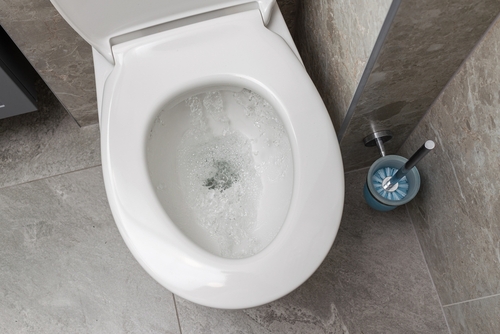




Quick Answer: A toilet that keeps running after flushing is usually caused by a worn flapper valve, a faulty fill valve, or an improperly adjusted float. The flapper is the most common culprit. Lift the tank lid and press down on the flapper with your finger. If the running stops, the flapper needs replacing. This is a $5 to $15 part you can replace yourself. If that does not fix it, the fill valve or float mechanism may need professional adjustment or replacement. A running toilet can waste 200+ gallons per day, so do not wait to address it.
A running toilet is not just annoying. It is silently running up your water bill 24 hours a day. In the Los Angeles area, where LADWP charges tiered rates that increase as your usage climbs, a running toilet can push you into a higher billing tier that affects your entire bill, not just the wasted water. Here is what causes it and how to fix it.
The Flapper Valve: The Most Common Cause
The flapper is a rubber or silicone seal at the bottom of the tank that lifts when you flush and closes when the tank refills. Over time, the flapper warps, cracks, or develops mineral buildup from LA’s hard water that prevents it from seating properly. When the flapper does not seal completely, water continuously trickles from the tank into the bowl, and the fill valve runs constantly to replace it.
To test it: lift the tank lid and push down firmly on the flapper. If the running stops, the flapper is the problem. Turn off the water supply to the toilet (the valve on the wall behind the bowl), flush to empty the tank, unhook the old flapper from the overflow tube, and snap the new one in place. Make sure you buy the correct size, as flappers are not universal.
In homes with hard water (which includes virtually every home in Glendale, Pasadena, and the greater LA area), flappers degrade faster. Plan on replacing them every 3 to 5 years as preventive maintenance. We have discussed how LA’s hard water damages fixtures and appliances throughout the home.
The Fill Valve
The fill valve controls how much water refills the tank after a flush. When it fails, it can run continuously regardless of the water level, or it can cycle on and off intermittently (sometimes called “phantom flushing”).
If the tank is full and the water level is at or above the overflow tube, the fill valve is not shutting off properly. Some fill valves have an adjustment screw on top that controls the shut-off water level. Try turning it clockwise to lower the water level. If the valve is old and does not respond to adjustment, it needs replacing.
Fill valve replacement is a moderately easy DIY project, but it requires shutting off the water, draining the tank, disconnecting the supply line, and swapping the valve. If you are not comfortable with that process, it is a quick, inexpensive repair for a plumber during a toilet and fixture service call.
The Float Mechanism
In older toilets, a ball float on a metal arm controls the water level. If the arm is bent or the ball has water inside it (they can develop hairline cracks and fill with water over time), the float sits too low and the fill valve never gets the signal to shut off.
Bend the float arm slightly downward so the ball sits higher in the tank. If the ball itself is waterlogged, replace it. In newer toilets, the float is integrated into the fill valve as a sliding cup rather than a ball and arm. If the cup float is not shutting off the water properly, the entire fill valve assembly should be replaced.
The Overflow Tube
If the water level in the tank rises above the top of the overflow tube, water continuously flows down the tube into the bowl. This means the fill valve is overfilling the tank. Adjust the fill valve to lower the water level to approximately one inch below the top of the overflow tube.
If the overflow tube itself is cracked or broken, water leaks out of the tank through the crack. A cracked overflow tube typically requires replacing the entire flush valve assembly, which is a more involved repair that most homeowners prefer to leave to a plumber.
How Much Water a Running Toilet Wastes
A toilet with a moderately leaking flapper can waste 200 gallons per day. A toilet with a fill valve stuck open can waste over 1,000 gallons per day. At LADWP’s tiered rates, that adds up fast, and the extra usage can push your entire bill into a higher tier.
To check if your toilet is running silently (a slow leak you cannot hear), put a few drops of food coloring in the tank and wait 15 minutes without flushing. If the color appears in the bowl, the flapper is leaking. This is particularly worth checking if your water bill has increased without an obvious explanation. We covered water bill spikes as a sign of hidden leaks in our underground leak detection guide and our piece on why small leaks should never be ignored.
When to Call a Plumber
If you have replaced the flapper and fill valve and the toilet still runs, the problem may be a warped flush valve seat (the surface the flapper seals against), a cracked tank, or an issue with the toilet’s internal geometry that requires replacement of the unit. Older toilets in LA homes built in the 1960s and 1970s sometimes reach a point where the cost of continued repairs exceeds the cost of installing a new, water-efficient model.
Contact Papa’s Plumbing for toilet repair and replacement throughout the Los Angeles area. We serve Echo Park, Sherman Oaks, Highland Park, North Hollywood, and all surrounding neighborhoods.
Frequently Asked Questions
Can a running toilet increase my water bill significantly? Yes. A moderately leaking toilet can waste 6,000 gallons per month, which can add $50 to $100+ to your LADWP bill depending on your tier. A severely leaking toilet wastes far more.
Is a running toilet an emergency? It is not an emergency in the same sense as a burst pipe or a sewer backup, but it should be addressed within days, not weeks, to avoid unnecessary water waste and bill increases.
How much does it cost to fix a running toilet? A flapper replacement is under $15 in parts if you do it yourself. A fill valve replacement runs $15 to $30 in parts. If you call a plumber, a standard toilet repair service call is typically $100 to $250 including the parts and labor for either repair.
Should I replace my old toilet instead of repairing it? If the toilet is more than 25 years old and has needed multiple repairs, replacing it with a modern 1.28-gallon-per-flush model is usually the better investment. You will save on water costs and avoid the cycle of recurring repairs on worn-out internal components.