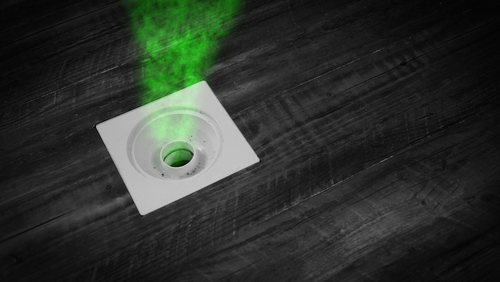




Quick Answer: A sewage smell from a drain is almost always caused by a dried-out P-trap, a blocked vent pipe, or a buildup of bacteria and organic debris inside the drain line. The fastest fix is to run water in the drain for 30 seconds to refill the P-trap. If the smell persists after that, the cause is deeper in the system and you likely need professional drain cleaning or a vent inspection.
Sewage smell from a drain is not something you should mask with air freshener and forget about. That odor is sewer gas, which contains hydrogen sulfide and methane. At low concentrations it is unpleasant. At higher concentrations, particularly in enclosed spaces like bathrooms without ventilation, it can cause headaches, nausea, and dizziness. Here is what causes it and how to eliminate it.
Dried-Out P-Trap
The P-trap is the U-shaped bend in the drainpipe under every sink, tub, and shower. It holds a small amount of water that acts as a seal against sewer gas. When a fixture goes unused for an extended period (a guest bathroom, a basement floor drain, a utility sink in the garage), the water in the trap evaporates and the seal breaks. Sewer gas flows freely up through the drain and into your home.
The fix takes five seconds: run water in the drain for 30 seconds to refill the trap. For floor drains that rarely get used, pour a cup of water into them once a month to keep the seal intact. Adding a tablespoon of mineral oil on top of the water slows evaporation and extends the seal for months.
If you have multiple fixtures that go unused for long periods, especially in older Los Angeles homes with secondary units or detached guesthouses, set a monthly reminder to run water in every drain. This is one of the simplest preventive plumbing maintenance steps you can take.
Buildup Inside the Drain Line
Even with a functioning P-trap, drains can develop sewage odors when bacteria colonies form on organic debris stuck to the pipe walls. Hair, soap scum, toothpaste residue, and food particles accumulate inside the drain line over time, creating a biofilm that produces a rotten-egg or sewage-like smell.
Bathroom sink drains are the worst offenders because they collect a combination of hair, soap, and toothpaste that creates a thick sludge just past the stopper mechanism. Kitchen drains accumulate grease and food debris that decompose inside the pipe.
For bathroom drains, remove the stopper or drain cover and clean the visible portion of the drain with a brush. For a deeper clean, flush the drain with a mixture of baking soda and hot water. We have covered safe drain cleaning methods without harsh chemicals and how to unclog a kitchen sink safely in separate guides.
If DIY cleaning does not eliminate the odor, professional drain cleaning removes the buildup from the full length of the pipe. For persistent odor issues, hydro jetting scours the pipe interior clean and eliminates the biofilm that causes the smell. We have detailed how hydro jetting works if you want to understand the process.
Blocked Vent Pipe
The vent pipe that runs from your drain system up through the roof serves two purposes: it allows air into the drain to keep water flowing smoothly, and it vents sewer gas safely above the roofline where it dissipates. When the vent is blocked (by leaves, animal nests, ice, or debris), sewer gas cannot escape through the roof and instead seeps back into the house through drain openings.
A blocked vent often causes multiple symptoms simultaneously: sewage odor from drains, gurgling toilets, and slow drainage throughout the house. If you are smelling sewage and your toilet is gurgling, the vent is the most likely single cause of both problems.
Clearing a vent requires roof access and is best handled by a licensed plumber who can inspect the vent stack and remove the obstruction safely.
Damaged or Deteriorating Sewer Line
In some cases, sewage smell does not come from inside the house at all. A cracked or deteriorating sewer lateral can leak sewer gas into the soil around your foundation, and that gas migrates up through cracks in the slab, gaps around pipe penetrations, or along the exterior wall into the house.
This is more common in older neighborhoods throughout the Los Angeles area where clay or cast iron sewer laterals are reaching end of life. We have written about signs your sewer line needs repair or replacement and the complete guide to sewer camera inspection in Los Angeles. If the sewage smell is persistent, comes from areas of the house without drains, or appears in the yard, a camera inspection of the lateral is the right diagnostic step.
When to Call a Plumber
If refilling P-traps and cleaning visible drain buildup does not eliminate the sewage smell within a day, the cause is not something you can fix with household methods. A persistent sewer gas odor means the problem is in the vent system, the main drain line, or the sewer lateral, and it needs professional diagnosis.
Contact Papa’s Plumbing for drain odor diagnosis and repair. We serve homeowners across the Los Angeles area, including Los Feliz, Atwater Village, Glassell Park, and Mount Washington.
Frequently Asked Questions
Is sewer gas dangerous? At low concentrations, sewer gas causes headaches, nausea, and eye irritation. At higher concentrations in enclosed spaces, hydrogen sulfide and methane can be hazardous. If the smell is strong and persistent, ventilate the area and call a plumber. If you suspect a gas leak alongside the sewer smell, evacuate and call your gas company.
Why does my bathroom smell like sewage only at night? Temperature and pressure changes at night can cause air to flow differently through the drain system. A partially blocked vent or a P-trap that is low on water may only produce noticeable odor when the house cools down and air pressure shifts. Refilling the P-trap and having the vent checked typically resolves it.
Can a sewage smell come from a toilet? Yes. A toilet with a failing wax ring seal can leak sewer gas from the base, even if there is no visible water leak. If the sewage smell is strongest near the base of the toilet, the wax ring likely needs replacing. This is a routine fixture repair.
Will bleach fix a smelly drain? Bleach may temporarily kill bacteria and reduce odor, but it does not remove the organic buildup that feeds the bacteria. The smell will return within days or weeks. Mechanical cleaning or professional drain cleaning removes the source of the problem, not just the symptom.