



A slab leak is one of the most stressful plumbing problems a Los Angeles homeowner can face — not because it’s always catastrophic, but because it’s hidden. The leak is happening under your foundation, out of sight, and by the time you notice the symptoms, water has often been running for days or weeks. Here’s everything you need to know about slab leaks in LA homes: what causes them, how to detect them early, and what your repair options look like.
What Is a Slab Leak?
A slab leak occurs when a water supply line or drain line running beneath your home’s concrete slab foundation develops a leak. Most Los Angeles homes built from the 1950s onward are slab-on-grade construction — meaning there’s no basement or crawl space. The water supply lines and sometimes drain lines are embedded in or run directly beneath the concrete.
When one of these lines develops a crack, pinhole, or joint failure, water leaks into the soil under and around your foundation. Depending on whether it’s a supply line (pressurized) or drain line (gravity flow), the leak can range from a slow seep to a continuous flow that saturates the soil and undermines the foundation.
What Causes Slab Leaks in Los Angeles
Los Angeles sits on expansive clay soil that swells when wet and contracts during dry periods. That seasonal movement puts constant stress on the copper supply lines running under your slab. Over years of expansion and contraction cycles, the pipes can develop pinhole leaks at stress points — particularly at fittings, bends, and where the pipe passes through the concrete.
The United States Geological Survey identifies the greater Los Angeles area as one of the most seismically active regions in the country. Even minor seismic events that don’t cause visible structural damage can shift soil enough to stress underground plumbing.
Hard water from the LADWP supply also plays a role. Mineral deposits and internal corrosion weaken copper pipe walls over decades, making them more vulnerable to failure under soil stress. Homes with original copper supply lines from the 1960s and 1970s are at the highest risk.
How to Detect a Slab Leak
Slab leaks are hidden, but they produce symptoms you can spot if you know what to look for.
An unexplained increase in your water bill is often the first clue. If your usage hasn’t changed but the bill has jumped, water is leaving the system somewhere. Compare your current bill to the same month last year — a spike of 20 percent or more with no obvious cause warrants investigation.
The sound of running water when all fixtures are off is a strong indicator. In a quiet house, put your ear close to the floor in different rooms. A pressurized supply line leak produces a faint hissing or rushing sound that you can sometimes hear through the slab.
Warm or hot spots on the floor suggest a hot water supply line leak. The leaking hot water heats the concrete above it, creating a noticeable temperature difference you can feel with bare feet. This is particularly common in hallways and near bathrooms where hot water lines run.
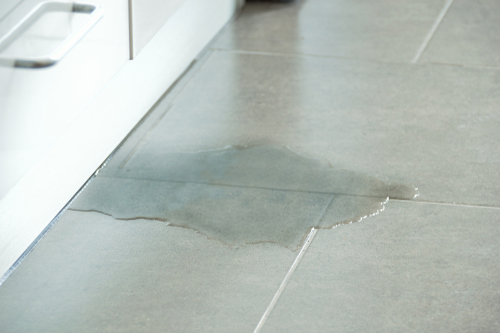
Damp carpet, warped flooring, or unexplained moisture along baseboards — particularly in rooms without plumbing fixtures — indicates water migrating from beneath the slab.
Foundation cracks that appear or widen over a short period can result from soil erosion under the slab caused by a persistent leak. Not all foundation cracks indicate a slab leak, but new cracks combined with any of the other symptoms above should be evaluated immediately.
We’ve covered the broader topic of how to find an underground water leak — many of the same detection principles apply to slab leaks specifically.
Professional Slab Leak Detection
A licensed plumber uses specialized equipment to confirm and locate a slab leak without breaking concrete. Electronic leak detection uses acoustic sensors and amplifiers to listen for the sound of pressurized water escaping from the pipe. The plumber moves the sensor across the slab systematically, and the sound intensity increases as the sensor approaches the leak location.
Pressure testing isolates the hot and cold supply lines independently. By pressurizing each line and monitoring for pressure drop, the plumber determines which line is leaking and how severe the leak is.
Thermal imaging cameras can detect temperature anomalies in the slab surface that indicate hot water line leaks. This method is non-invasive and helps narrow the location before any concrete is opened.
Once the leak is located, the plumber will discuss your repair options based on the pipe material, the number of leaks, and the age of the system.
Slab Leak Repair Options
There are three primary approaches to slab leak repair in Los Angeles, and the right choice depends on your specific situation.
Spot repair involves opening the slab at the leak location, repairing or replacing the damaged section of pipe, and patching the concrete. This is the least expensive option and makes sense when you have a single, isolated leak in an otherwise healthy pipe system. It’s a targeted fix, not a whole-system solution.
Rerouting the line means abandoning the leaking pipe under the slab entirely and running a new supply line through the walls, attic, or ceiling to bypass the foundation. This is often the better long-term option when the underground pipe is old copper that’s likely to develop additional leaks. You avoid opening the slab entirely, and the new pipe is accessible for future maintenance.
Full repipe replaces all the supply lines in the home — both under-slab and in-wall. This is the most comprehensive option and makes financial sense when multiple leaks have been detected, when the pipe system is original to a home built in the 1960s or earlier, or when a water line replacement of the full system is overdue based on age and condition.
The City of Los Angeles Department of Building and Safety requires permits for slab leak repairs that involve opening the foundation or rerouting supply lines. Your plumber handles the permit process, but confirm that permits are being pulled — unpermitted foundation work creates serious title and insurance issues.
Don’t Wait on a Slab Leak
A slab leak doesn’t stop on its own. Every day it runs, water is saturating the soil under your foundation, your water bill is climbing, and the risk of structural damage increases. If you’re seeing any of the warning signs above, the sooner you get a professional diagnosis, the more options you’ll have and the less it will cost.
Contact Papa’s Plumbing for slab leak detection and repair anywhere in the Los Angeles area — from Echo Park and Highland Park to Glendale and Mount Washington. We locate the leak, explain your options, and give you a firm price before any work starts.