



Buying a home in Los Angeles is one of the biggest financial decisions you’ll ever make — and one of the easiest ways to inherit someone else’s plumbing problems. A standard home inspection covers the basics, but it rarely catches the issues that cost Los Angeles homeowners the most money: deteriorating sewer laterals, corroded water supply lines, and water heaters running on borrowed time. A dedicated plumbing inspection fills that gap.
What a Standard Home Inspection Misses
A general home inspector will run the faucets, flush the toilets, check for visible leaks, and confirm that the water heater has a flame. That’s about it. They’re not scoping the sewer line with a camera. They’re not pressure-testing the water supply. They’re not pulling the cover off the water heater to check the anode rod or look for sediment buildup.
In a city like Los Angeles — where homes from the 1920s sit next to homes from the 1990s, and the plumbing materials vary wildly by era and neighborhood — a surface-level check doesn’t come close to telling you what you’re buying into.
What a Plumbing Inspection Actually Covers
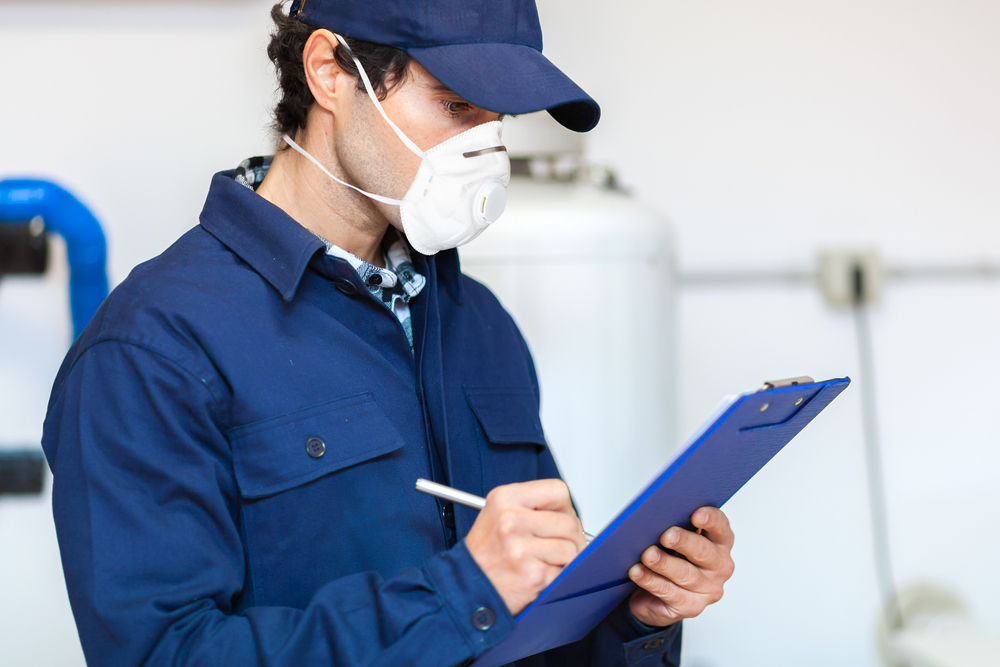
A thorough plumbing inspection from a licensed Los Angeles plumber evaluates the full system, not just what’s visible. Here’s what that typically includes.
The sewer line gets a camera inspection — a small waterproof camera is fed through the main drain to the city connection. This reveals root intrusion, cracks, bellied sections, joint separations, and material deterioration. In older Los Angeles neighborhoods like Mount Washington, Highland Park, and Echo Park, clay and cast iron sewer lines from the mid-1900s are still in service — and many are reaching end of life.
The water supply system is evaluated for pipe material, water pressure, and signs of corrosion. Galvanized steel pipes — common in LA homes built before 1970 — corrode internally and restrict flow over time. A plumber can identify the pipe material and give you a realistic timeline for when a water line replacement might be necessary.
The water heater is inspected for age, condition, and remaining useful life. This includes checking the tank for rust or corrosion, evaluating the anode rod, testing the temperature and pressure relief valve, and looking for signs of sediment buildup. A water heater that’s technically functional but 11 years old and full of scale is a replacement waiting to happen — and that’s a negotiation point you want before closing, not after.
All accessible fixtures, faucets, and shutoff valves are tested. Slow drains, weak water pressure at individual fixtures, and leaking supply lines under sinks are all documented.
Why It Matters More in Los Angeles Than Most Cities
Los Angeles has some of the most varied residential plumbing in the country. The Los Angeles Department of Building and Safety has overseen decades of building code changes, meaning the plumbing standards that applied when a home was built may be significantly different from current code. A home that passed inspection in 1965 may have polybutylene supply lines, lead solder joints, or an undersized sewer lateral — none of which would be acceptable in new construction today.
The city’s hard water also accelerates the aging of every component in the system. Water heaters, supply valves, and faucets in Los Angeles homes degrade faster than national averages due to mineral deposits. A plumbing inspection accounts for these LA-specific factors that a general inspector won’t think to evaluate.
The neighborhoods Papa’s Plumbing serves — including Toluca Lake, North Glendale, Glassell Park, and La Cañada Flintridge — all have housing stock that spans multiple decades and plumbing eras. What you find behind the walls varies block by block.
How to Use a Plumbing Inspection in Your Negotiation
A plumbing inspection gives you documented, professional findings that you can bring to the negotiation table. If the sewer camera reveals root intrusion, you now have a repair estimate to request as a credit or price reduction. If the water heater is at end of life, that’s a legitimate ask for a replacement allowance. If the home needs a full repipe, that’s a five-figure cost the seller may not have disclosed.
According to the California Association of Realtors, buyers in California have the right to conduct inspections during the contingency period, and plumbing inspections are a standard and accepted part of due diligence. Your real estate agent can advise you on the best way to present findings, but having the data from a licensed plumber gives you leverage that a general inspection report simply can’t provide.
When to Schedule the Inspection
The best time to schedule a plumbing inspection is during your inspection contingency period — typically 17 days in a standard California residential purchase agreement, though this can be negotiated. Don’t wait until the end of the contingency window. Sewer camera inspections and full plumbing evaluations can usually be completed in a single visit, but scheduling in advance gives you time to get repair estimates if issues are found.
If you’re buying a home in the Los Angeles area, reach out to Papa’s Plumbing to schedule a pre-purchase plumbing inspection. We’ll give you an honest assessment of the entire system so you know exactly what you’re walking into — no surprises after the keys are in your hand.