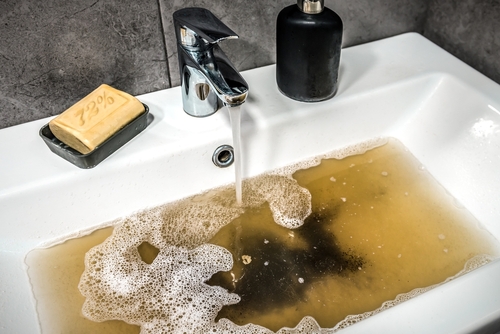




Quick Answer: A slow bathroom sink drain is almost always caused by a combination of hair, soap scum, and toothpaste buildup inside the drain stopper mechanism and the P-trap. The fastest fix is to remove the stopper, pull out the accumulated debris with needle-nose pliers or a plastic drain tool, and flush the drain with hot water. If the drain is still slow after clearing the stopper, the clog is deeper in the P-trap or branch line and may require professional drain cleaning.
A bathroom sink that drains slowly is one of the most common plumbing complaints, and it is also one that homeowners put up with far longer than they should. The water pools during hand-washing, takes forever to empty after brushing your teeth, and leaves a ring of residue around the basin. The good news is that this is usually fixable without a plumber. The bad news is that if you have been ignoring it for months, the buildup may have progressed beyond what household tools can handle.
The Stopper Mechanism: Start Here
Most bathroom sink drains have a pop-up stopper controlled by a lift rod behind the faucet. The stopper sits in the drain opening and is connected to a horizontal pivot rod under the sink. Hair wraps around the stopper and the pivot rod, creating a net that catches soap scum, toothpaste, and skin cells. Over time, this mass becomes a solid plug that restricts water flow.
To clean it, pull the stopper straight up out of the drain. Some stoppers lift out freely; others require a quarter turn. If the stopper is connected to the pivot rod and will not lift out, go under the sink and unscrew the retaining nut on the pivot rod where it enters the drain tailpiece, then slide the pivot rod out and lift the stopper free.
Clean the stopper and the visible portion of the drain with a paper towel or an old toothbrush. Use needle-nose pliers or a plastic drain tool (a thin, barbed strip designed to pull hair from drains) to reach down into the drain and pull out whatever is accumulated below the stopper opening.
Reassemble the stopper, run hot water for 60 seconds, and test the drain. In many cases, this five-minute cleaning completely restores normal flow.
The P-Trap: The Next Likely Location
If clearing the stopper does not fix the slow drain, the clog is in the P-trap or the drain line downstream. The P-trap is the U-shaped pipe section directly below the sink.
To clean the P-trap, place a bucket under it, loosen the slip-joint nuts at both ends of the trap by hand or with pliers, and carefully remove the trap. Dump the contents into the bucket and clean the inside of the trap with a bottle brush or stiff wire. While the trap is off, look up into the drain tailpiece and down into the wall pipe for visible blockage. Reassemble the trap, making sure the slip-joint washers are seated properly and the nuts are snug but not overtightened.
If the trap is clear but the wall pipe has visible buildup or the drain is still slow when you run water without the trap in place, the clog is deeper in the branch line or the wall, and you will need professional drain cleaning to clear it. We have covered DIY drain maintenance tips that can help you maintain the drain between professional cleanings.
Why Chemical Drain Cleaners Are a Bad Idea
The instinct to pour a chemical drain cleaner down a slow bathroom sink is understandable but counterproductive. Chemical cleaners use caustic or acidic compounds to dissolve organic material, but they also damage the pipes. In older Los Angeles homes with cast iron drain lines, chemical cleaners accelerate corrosion of pipes that are already near end of life. In homes with PVC connections, the heat generated by chemical reactions can warp or soften the plastic at joints.
We have written extensively about why drain cleaning without harsh chemicals is the better approach and whether baking soda and vinegar actually work for drain clogs.
When the Slow Drain Is Part of a Bigger Problem
A single slow bathroom sink is almost always a local issue. But if multiple fixtures are draining slowly, including the bathtub, shower, and other sinks, the problem is likely in the main drain or sewer lateral rather than an individual branch.
If the bathroom sink is slow AND your toilet is gurgling when you run water, the drain and vent system has a blockage that is affecting the whole house. This is a situation that requires professional diagnosis, starting with a sewer camera inspection to determine whether the issue is root intrusion, grease buildup, or structural pipe damage.
In neighborhoods with older plumbing stock, like Echo Park, Los Feliz, and Mount Washington, persistent slow drains across multiple fixtures are often the first sign of cast iron drain pipe deterioration. The corroded interior of aging cast iron creates a rough surface that traps debris and resists normal flow, even after the visible clog is cleared.
Preventing Future Slow Drains
Use a mesh drain cover over the sink drain to catch hair before it enters the drainpipe. Clean the stopper mechanism monthly rather than waiting for the drain to become noticeably slow. Run hot water through the drain for 30 seconds after each use to flush soap and toothpaste residue through the trap before it hardens.
For a more thorough preventive approach, pour a pot of boiling water (not in PVC-only systems, as boiling water can soften PVC joints) or very hot tap water down the drain weekly to dissolve accumulated soap and grease.
Schedule professional drain cleaning once a year, particularly if your bathroom fixtures are connected to older drain pipes. A professional cleaning clears the full branch line, not just the visible portion you can reach by hand.
Contact Papa’s Plumbing if your slow bathroom drain has not responded to the DIY steps above. We serve homeowners in Glassell Park, Atwater Village, Glendale, Eagle Rock, and all surrounding areas.
Frequently Asked Questions
Why does my bathroom sink drain slowly but the kitchen sink is fine? Bathroom drains accumulate hair and soap scum, which creates dense clogs that kitchen drains do not typically experience. Kitchen drains deal with grease and food particles, which accumulate differently. Each drain has its own branch line, so a clog in one does not affect the other unless the blockage is in the shared main line.
How often should I clean my bathroom sink drain? Clean the stopper and visible drain opening monthly. Have the full drain line professionally cleaned annually, or more frequently if you notice recurring slow drainage. Homes in areas with hard water should be cleaned more often because mineral deposits compound the buildup.
Can a slow bathroom sink be a sign of a sewer problem? If only the bathroom sink is slow, it is almost certainly a local clog. If the sink is slow AND the bathtub, shower, or toilet are also affected, the issue is in the main drain or sewer lateral and requires professional diagnosis.
Is it normal for a bathroom sink to drain slowly? No. A healthy drain should empty a full basin in under 30 seconds. If it takes longer, there is buildup restricting flow. The longer you wait to address it, the denser the clog becomes and the harder it is to clear without professional equipment.